

BIENAL DE ARTE PAIZ
APPLICATIONS
Contemporary artistic and cultural practices no longer belong to a unified field or respond to the requirement of forming a common front. We live at the intersection of a series of parallels: genealogical lines and sensibilities whose horizons do not have to coincide. In a time marked by refraction and distance, the 25th Paiz Art Biennial resorts to the metaphor of Baroque counterpoint to propose the coexistence of multiple melodic lines that run simultaneously, resonating in the difference of their rhythms, principles, and purposes without forcing a synthesis.
Drawing on this intuition of multiplicity, the biennial hosts two decisive research processes that raise distinct and irreplaceable questions about contemporary art.
The "Notwithstanding" of the Poetic
The inquiry questions the legitimacy and viability of poetic invention in a present marked by violence, confusion, and historical horror. Embedded in the open discussion in 1949 by Theodor W. Adorno about the possibility of writing poetry after Auschwitz, and the subsequent imperative that suffering find forms of expression, this axis calls for practices that renounce the innocence of traditional lyric and epic forms, conceiving the poetic as a formal alchemy that often arises amidst absolutely metaphorical tragedies, affirming a conviction “despite everything.” Under the double axiom of the Guatemalan poet Luis Cardoza y Aragón (“poetry is the only concrete proof of man’s existence” and “the allusion is the alud”) the component opens to works in various media that rely on formal invention as a necessary mode of thinking, perceiving, and facing the present.
The Confederacy of First Nations
This line stems from the need to clarify the place of contemporary art in the context of identity representation in the practices of artists from indigenous nations and stateless peoples from around the world. In the face of the views that reduce their works to mere expressions of a particular tradition or culture, it seeks to bring together artists who reclaim the vectors of criticism; imagination and technical invention are not a monopoly of Westernized culture.
Both components start from the same premise and maintain their autonomy in direction and rhythm. The Biennial conceives the exhibition as a form of active listening, where works drawn from diverse histories and knowledge seek to produce new relationships and resonances within their complex differences.
PARTICIPANTS
We are interested in proposals that go beyond the mere manifestation of identity to adopt a critical stance, accompanied by an innovative and self-critical attitude towards the artistic means, procedures, and devices employed. Convening this meeting in Guatemala, a pluricultural country, proposes to decenter Eurocentric theories and foster a direct dialogue between direct experiences, outside the false universality of the West.
The call is open to artists and collectives over 18 years of age, from Guatemala, residents in the country or abroad, as well as to foreign artists and collectives residing in Guatemala, with a minimum of 5 years of residency. Proposals that work from different practices, media and languages will be accepted, open to the multiple ways of making and thinking contemporary art in Guatemala.
APPLICATIONS
Each artist must complete the application form available on the Fundación Paiz website, attaching the link to an online folder containing the following materials:
- Resume which includes: Full name, artistic name (if applicable), address, email, phone number, nationality, country of residence, social media and website, if available. (Submitted as a single-page .pdf file).
- Summary sheet of the trajectory an artist’s statement, in which they discuss their experience, the topics they address, and their interests. (Maximum 300 words. Uploaded as a .pdf file on a single page).
- Portfolio with images of recent works, uploaded in a folder with the following specifications:
- 10 to 15 images.
- The files must be .jpg, with a maximum of 3,000 px on the longest side.
- List the images in the following way: Name_Surname_01, Name_Surname_02, Name_Surname_03, and so on.
- Documents in Word or PowerPoint presentations with pasted images will not be accepted.
- List of works from the portfolio with their respective technical specifications, in the following order: Artist's name, title of the work, year, technique, measurements, owner's name (if different from the artist's), approximate value, photo credit and/or brief description of the work if required. (uploaded as a .pdf file of one to three pages).
- Project proposal for the 25th Paiz Art Biennial with the following specifications. (Uploaded as a .pdf file of one to five pages):
- Descriptive text that includes the conceptual proposal, as well as its technical requirements (minimum 500 words – maximum 1000 words).
- 1 to 3 images showing the proposed work and its possible installation, which will help illustrate its space requirements.
ImportantEntries that are received with incomplete information will not be considered for selection. Links via WeTransfer will also not be accepted.
SELECTION
After the selection of the jury, the artists nominated for the 25th Paiz Art Biennial will be notified starting on Monday, November 16th. The curatorial team may schedule visits and/or workshops to fine-tune the projects.
The selected artists must comply with the following general requirements:
- Being willing for your work to be presented within the timeframe set for the Biennial.
- The work must be exhibited throughout the Biennial and may not be removed without the common agreement of the parties (artist(s) – Paiz Foundation).
- Be willing to carry and install his/her/their work on the date and in the space designated by the curatorial team under appropriate conditions of conservation, with the support of production provided by the organization of the Biennial. Any additional costs must be borne by the artist.
- The works will be returned within the month following the conclusion of the Biennial. If the artist is unable to collect the work, they must designate another person in writing to collect it. In the event that the work is not collected after this month, Fundación Paiz may dispose of the work in any manner it deems appropriate, without any right to claim from the artist.
- The decision of the curatorial board will be autonomous and non-appealable.
The results of the artists selected to be included in the 25th Paiz Art Biennial will be published starting in January 2027.
APLICATION DEADLINE
The call is open from October 1, 2026. The closing date for accepting dossiers will be October 30, 2026.
Questions or inquiries bap@fundacionpaiz.org.gt
APPLY
Curator
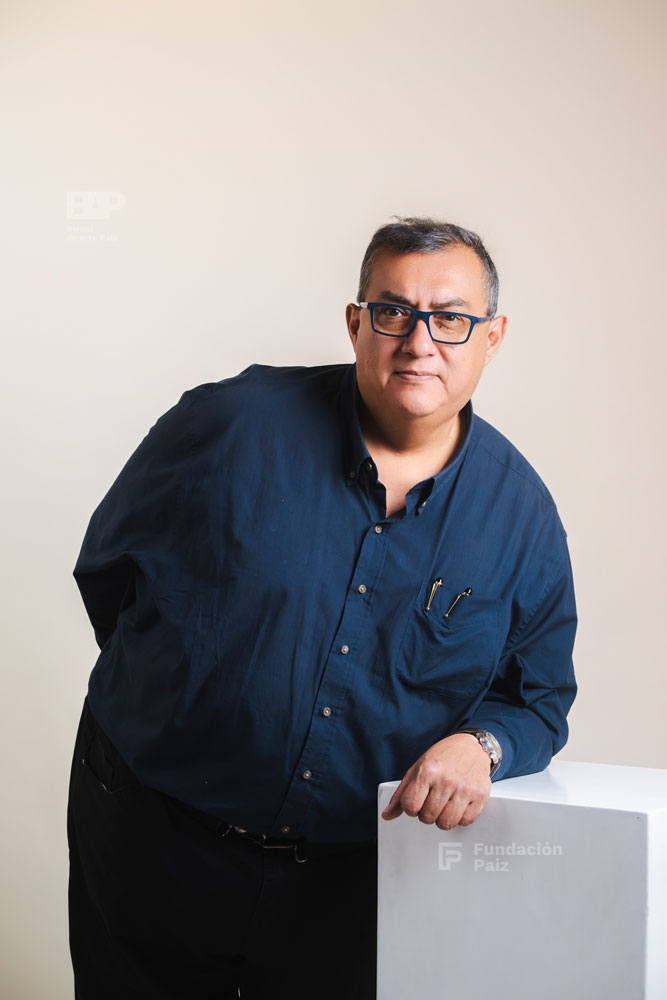
Cuauhtémoc Medina, curator of the 25th Paiz Art Biennial
Mexico City, Mexico (1965). He is an art critic, curator, and historian. He holds a PhD in Art History and Theory from the University of Essex and a bachelor's degree in History from the Universidad Nacional Autónoma de México (UNAM). He was the first associate curator of the Latin American art collections at Tate Modern and served as chief curator of the UNAM's Museo Universitario Arte Contemporáneo (MUAC).
In 2012 he curated Manifesta 9 and in 2018 he was chief curator of the 12th Shanghai Biennale. He received the Walter Hopps Award for Curatorial Achievement, awarded by The Menil Collection of Houston, in recognition of his innovation and curatorial career. Since 1993 he has been a researcher at the UNAM's Aesthetic Research Institute.
Throughout his career he has developed exhibitions and projects with artists such as Francis Alÿs, Andrea Fraser, Carlos Amorales, Harun Farocki, Jill Magid, Jeremy Deller, Ai Weiwei, Beatriz González, Kader Attia, Magali Lara and the Raqs Media Collective, among many others.
Regarding his appointment, Medina shares:
"For half a century, the Paiz Art Biennial has been a benchmark for art in the Central American region and, above all, it has served the Guatemalan public as a vehicle for contemporary thought and sensitivity. It is a great honor, but also a challenge, to be in charge of curating the Paiz Art Biennial on this very special occasion. I hope that, with the support of the Biennial team and the artists, we can produce something worth remembering."
25TH PAIZ ART BIENNIAL
PRESS
The Paiz Art Biennial in the media
Find out what platforms around the world are saying about the Guatemala Biennial
All Biennials not to be missed by 2025, from Venice to Uzbekistan
January 2025
La Gazette Drouot
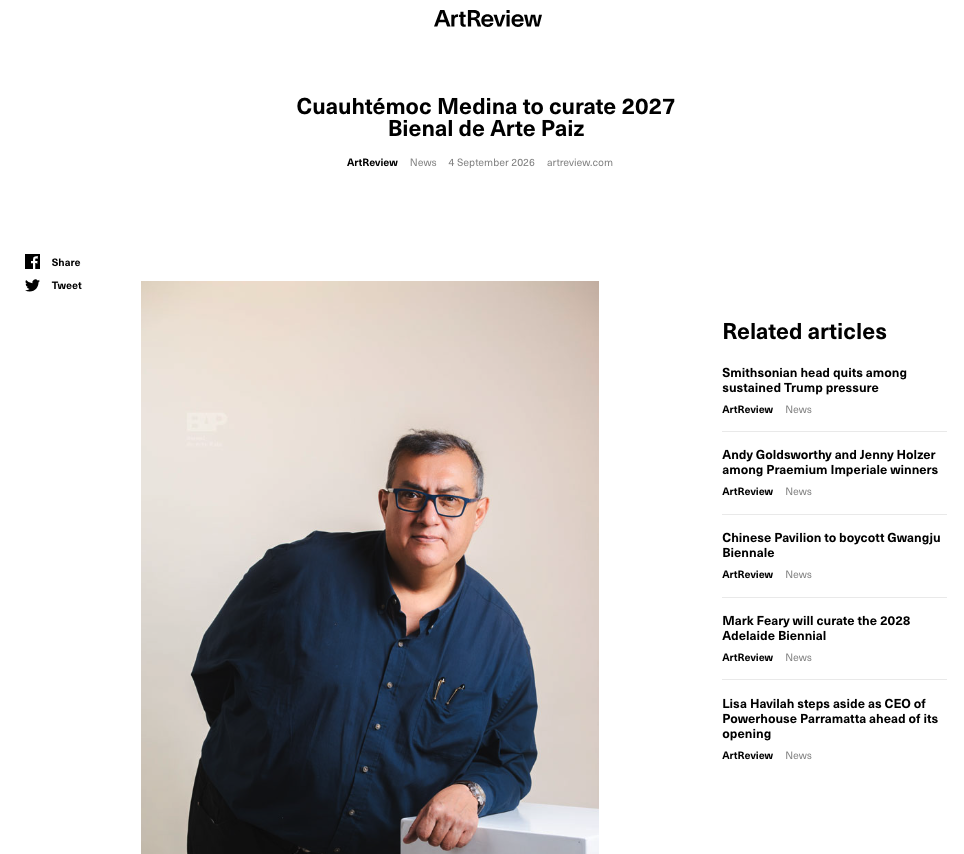
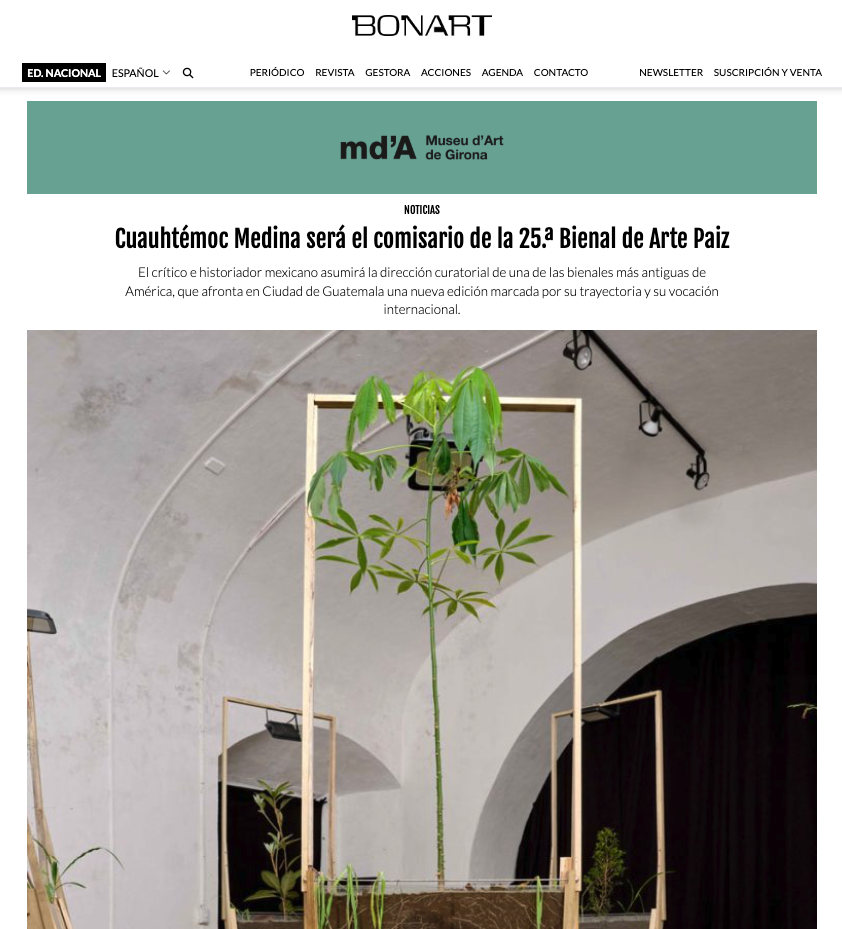
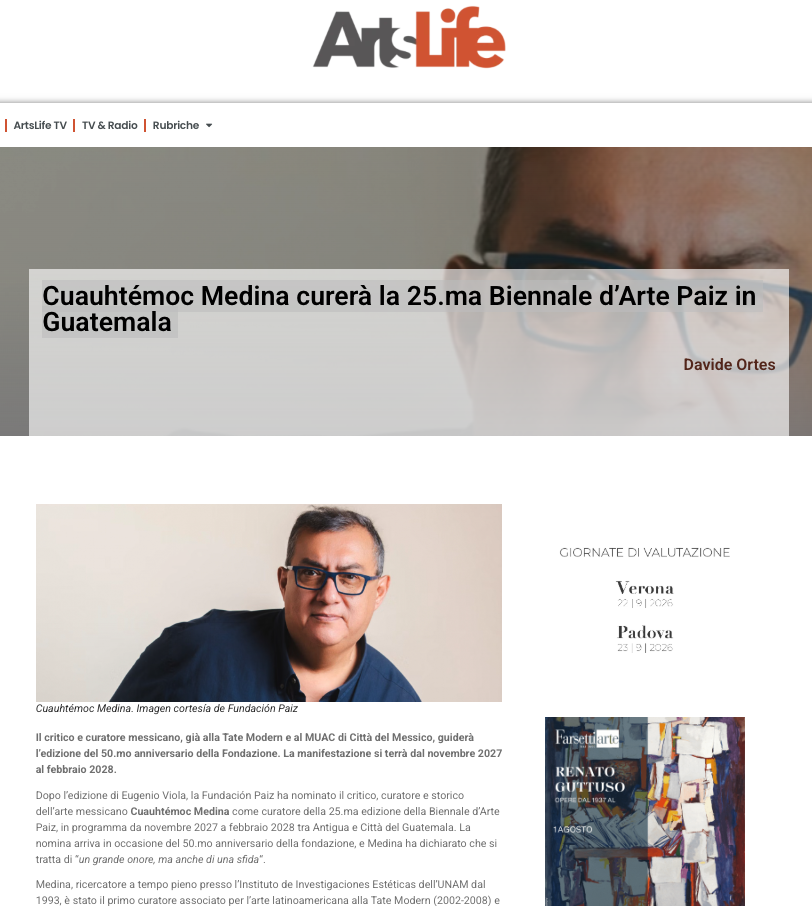
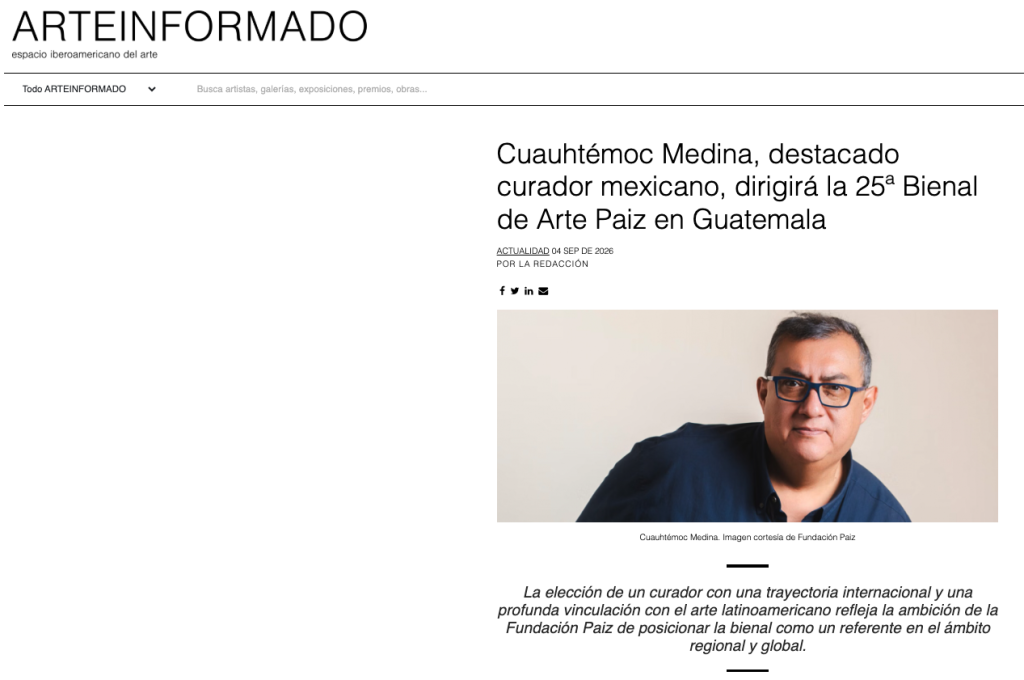
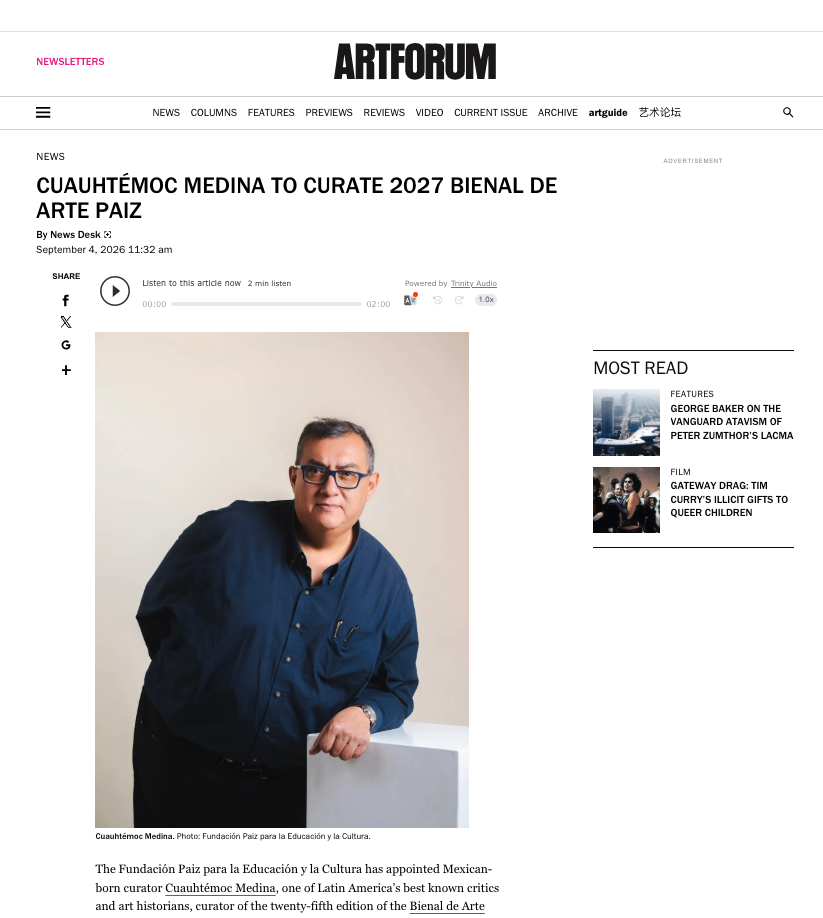
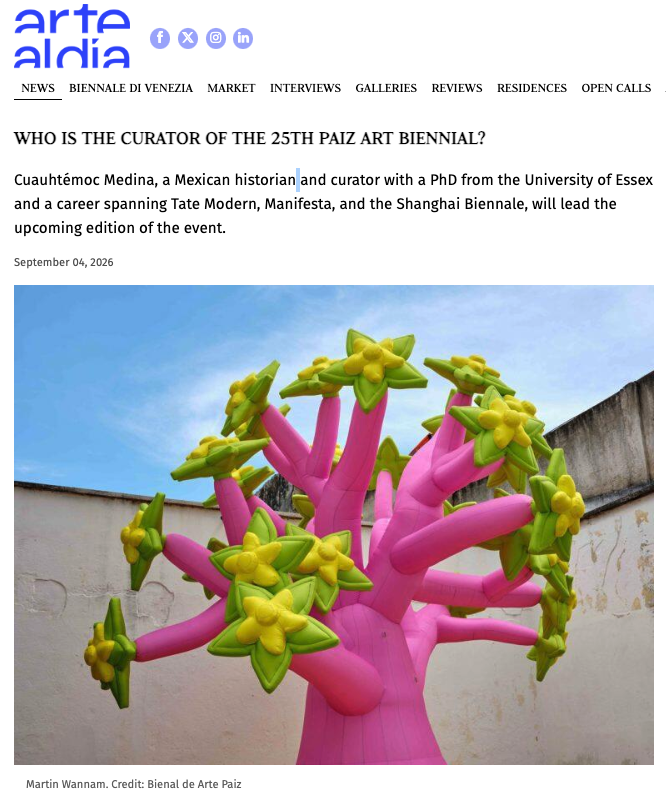
Cuauhtémoc Medina, prominent Mexican curator, will direct the 25th Paiz Art Biennial in Guatemala
September 2026
ARTEINFORMADO
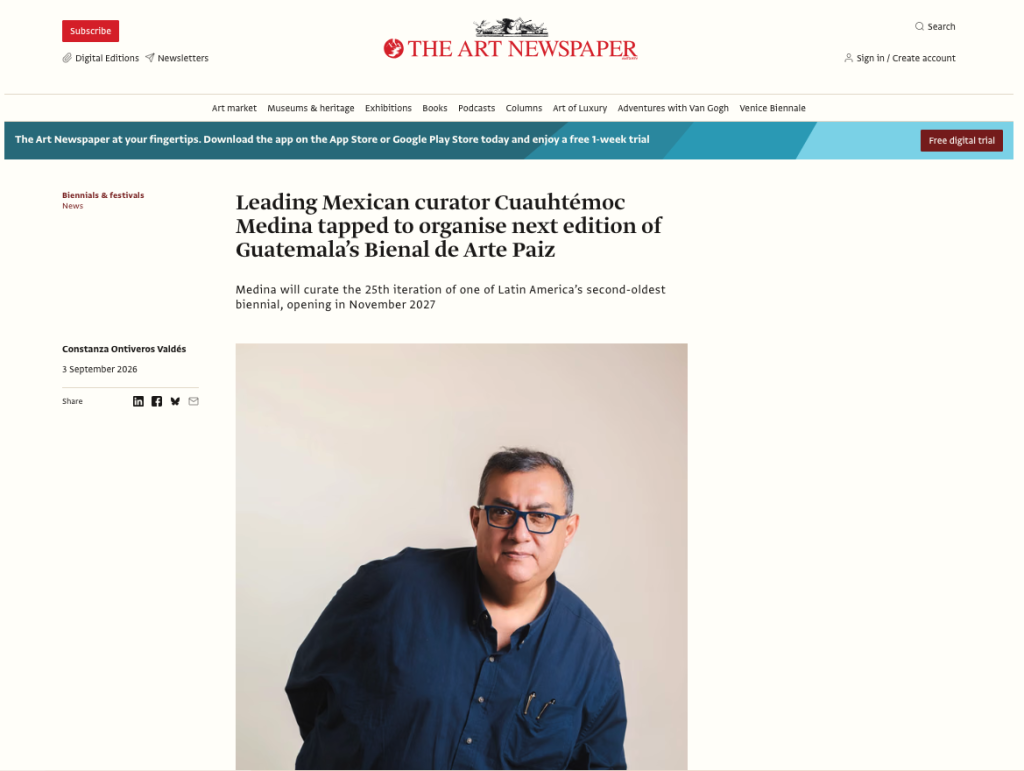
Leading Mexican curator Cuauhtémoc Medina tapped to organise next edition of Guatemala’s Bienal de Arte Paiz
September 2026
The Art Newspaper
CIFO congratulates Cuauhtémoc Medina on his appointment as curator of the 25th Bienal de Arte Paiz
September 2026
CIFO
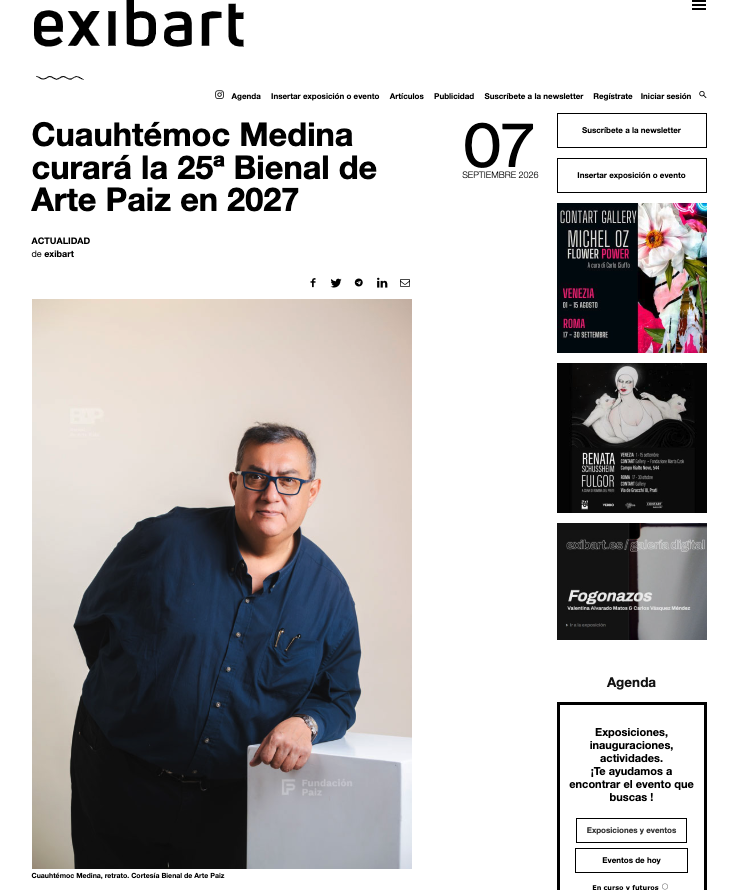
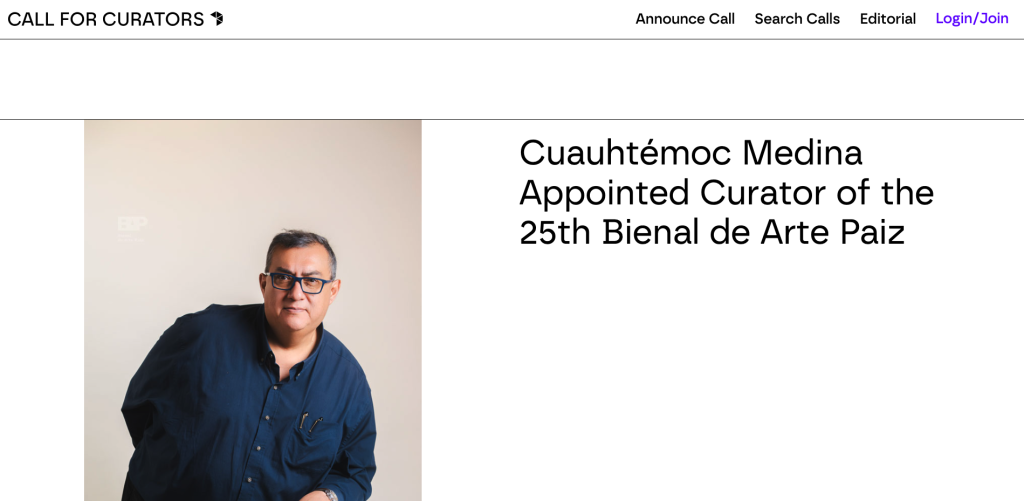
Cuauhtémoc Medina Appointed Curator of the 25th Bienal de Arte Paiz
September 2026
Call For Curators
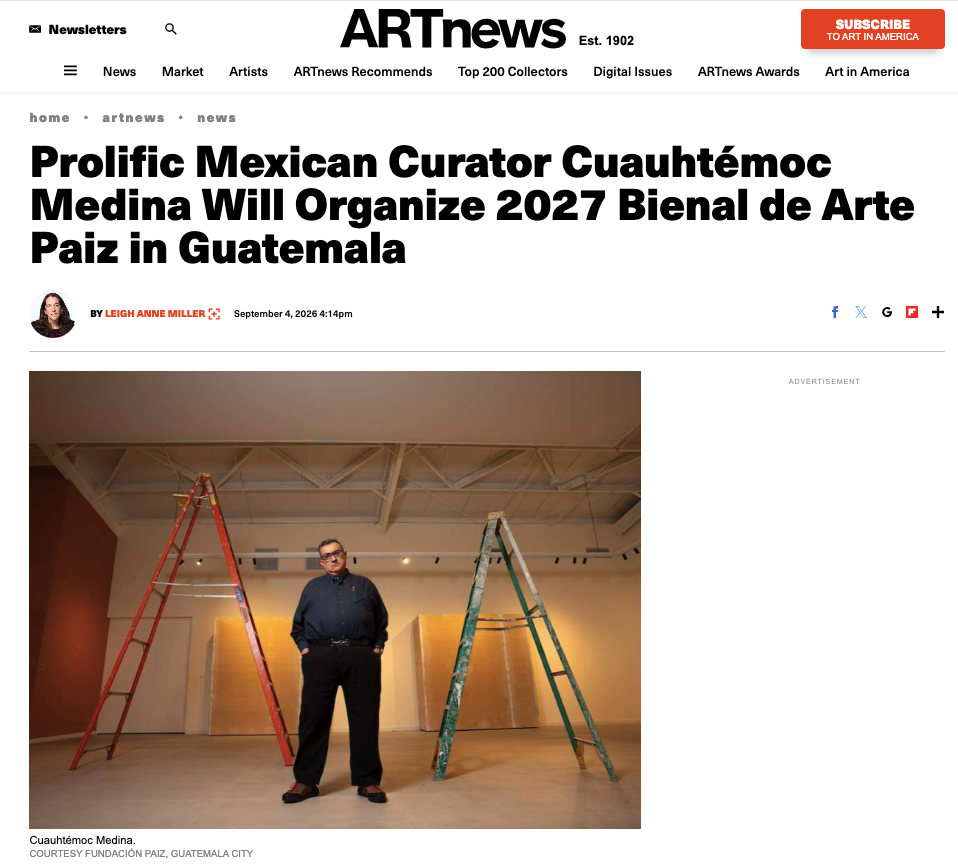
Prolific Mexican Curator Cuauhtémoc Medina Will Organize 2027 Bienal de Arte Paiz in Guatemala
September 2026
ArtNews


The Paiz Art Biennial prepares to celebrate its 50th anniversary with the curator's announcement for its 25th edition
September 2026
Guatemala.com
BIENAL DE ARTE PAIZ
History
History of the Paiz Art Biennal


The Bienal de Arte Paiz (BAP) was born in 1978 as a cultural project driven by the family business Almacenes Paiz S.A. Created as a competition, this initiative sought to open new avenues of exposure and professionalization for Guatemalan artists.
At the beginning of the new century, the biennial was transformed to dialogue with the discourses of contemporary art, consolidating itself as a curatorial project which, since 2008, generates spaces for collaboration between artists, thinkers, as well as audiences from Guatemala and the world.
Throughout these decades, the BAP has expanded through exhibitions, artistic projects and educational programs focused on different communities and sectors of the society, establishing itself as a catalyst for the country's cultural ecosystem.
During its first three decades, the Biennial functioned as an open call competition, in which participants could register their works in categories such as painting, sculpture, drawing, engraving, porcelain and photography.
The pieces competed for three first places in each discipline and, at the same time, became part of the Paiz Art Collection, a collection that today brings together more than 300 works by Guatemalan and Central American artists.
Since its inception, the competition has featured the participation of juries and cultural agents from Guatemala, Mexico, Spain, Brazil, El Salvador, Pakistan, Costa Rica, Colombia, Italy, Chile and Cuba, among other countries.
After several decades under this model, the XVI edition marked a turning point in 2008 with the establishment of a curatorial format, a transformation that redefined the open call scheme that had characterized the Biennial.
The biennial has also migrated from traditional spaces—such as museums and galleries—to unconventional settings, including streets, markets, abandoned buildings, and community centers.
The biennial has incorporated participatory and collaborative processes with indigenous communities and artistic collectives, promoting a more inclusive and decentralized vision. This decentralization has allowed the event to take place not only in Guatemala City, but also in Antigua Guatemala, San Juan Comalapa, Atitlán, Izabal, among other territories.
Despite historical events such as the internal armed conflict and the Covid-19 pandemic, it has been held uninterrupted since 1978. This continuity has consolidated it as the second oldest biennial in America and the sixth longest-running in the world.


BIENAL DE ARTE PAIZ
24TH PAIZ ART BIENNAL (2025-2026)
24th Paiz Art Biennal

Under the curatorship of Eugenio Viola, The World TreeThrough the curatorial proposal, art was understood as a tool to foster empathy within the complex network of languages, religions, cultures and stories that make up our global society, promoting understanding and connection in an increasingly interconnected but fragmented world.
In Eugenio Viola's words:
«‘The World Tree’ is conceived as a decentralized, multi-layered system that challenges traditional geopolitical frameworks while connecting cultural genealogies from Meso and Latin America, the Caribbean, Africa, Europe, the Middle East, Asia and Oceania. In a world where global connectivity often coexists with growing intolerance, it functions as a counter-mapping of resistance and regeneration.
Like the synaptic mapping of the “dendritic tree” in neuroscience, which traces the complex connections within neural networks, ‘The World Tree’ draws a constellation of voices, a fluid diagram of human relationships, social ties and cultural exchanges.


